Dystopia
Rebuilding a static key art in 3D so it could move, then land back exactly where it started
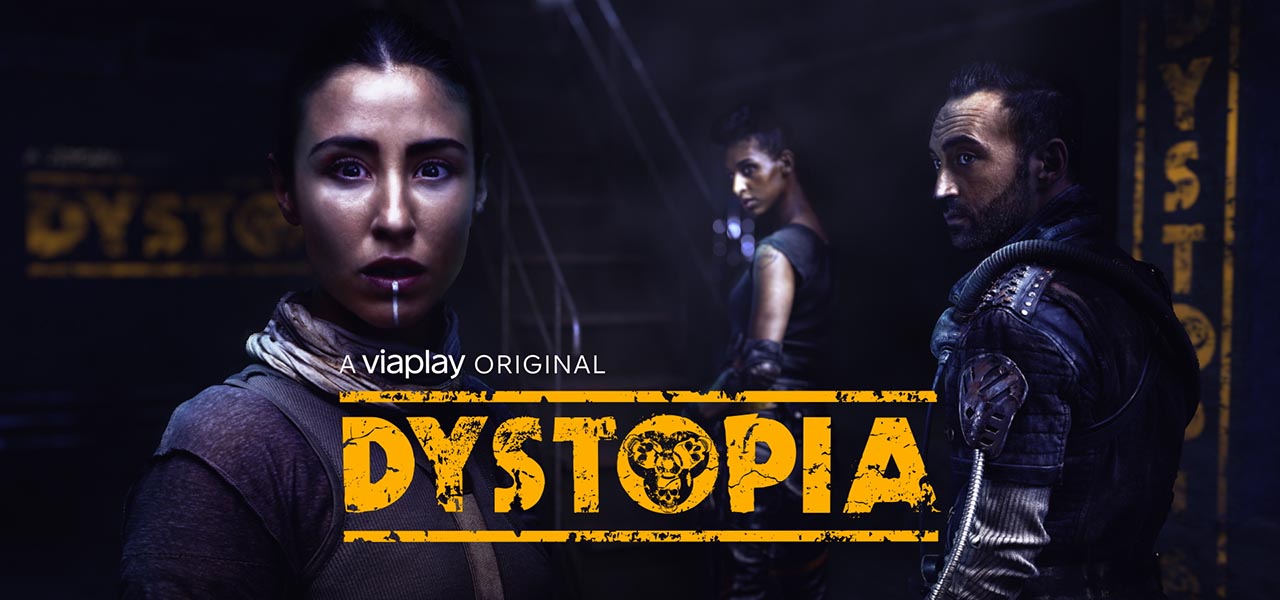
An internal creative challenge built around a deceptively simple rule: take an existing key art, bring it to life in motion, and finish on a frame that matches the original artwork exactly. I chose Dystopia, rebuilt the environment in 3D and used camera movement, lighting and atmosphere to turn a static poster into a short piece of visual storytelling.
Brief
The design-team challenge was to choose an existing film or TV key art and create motion from it without losing the identity of the original image.
The animation needed to add something, not simply wobble the layers around, and then resolve seamlessly back into the supplied still frame.
The Challenge
The poster only showed the final composition. Motion immediately exposed everything outside that frame that did not exist yet.
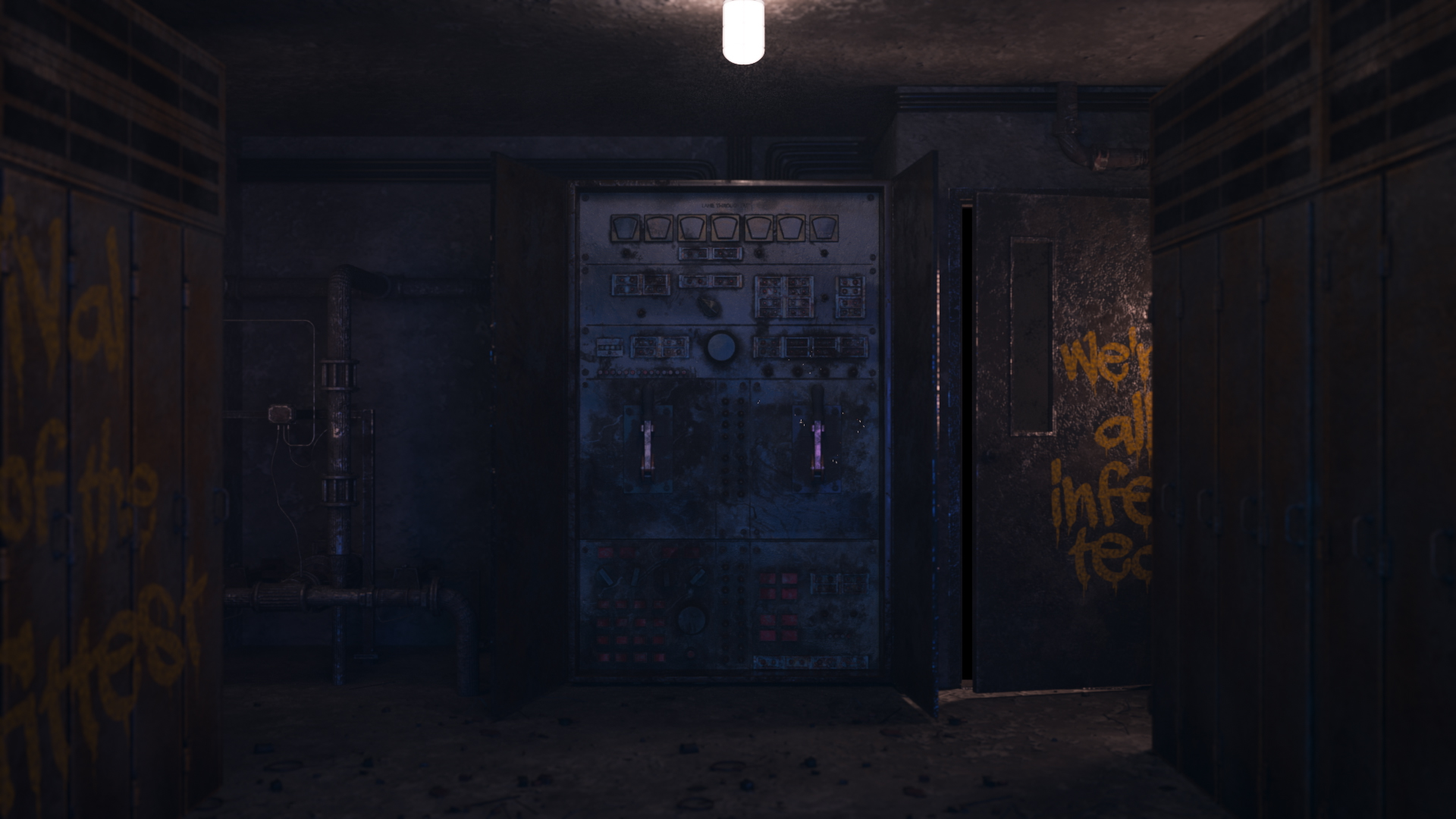
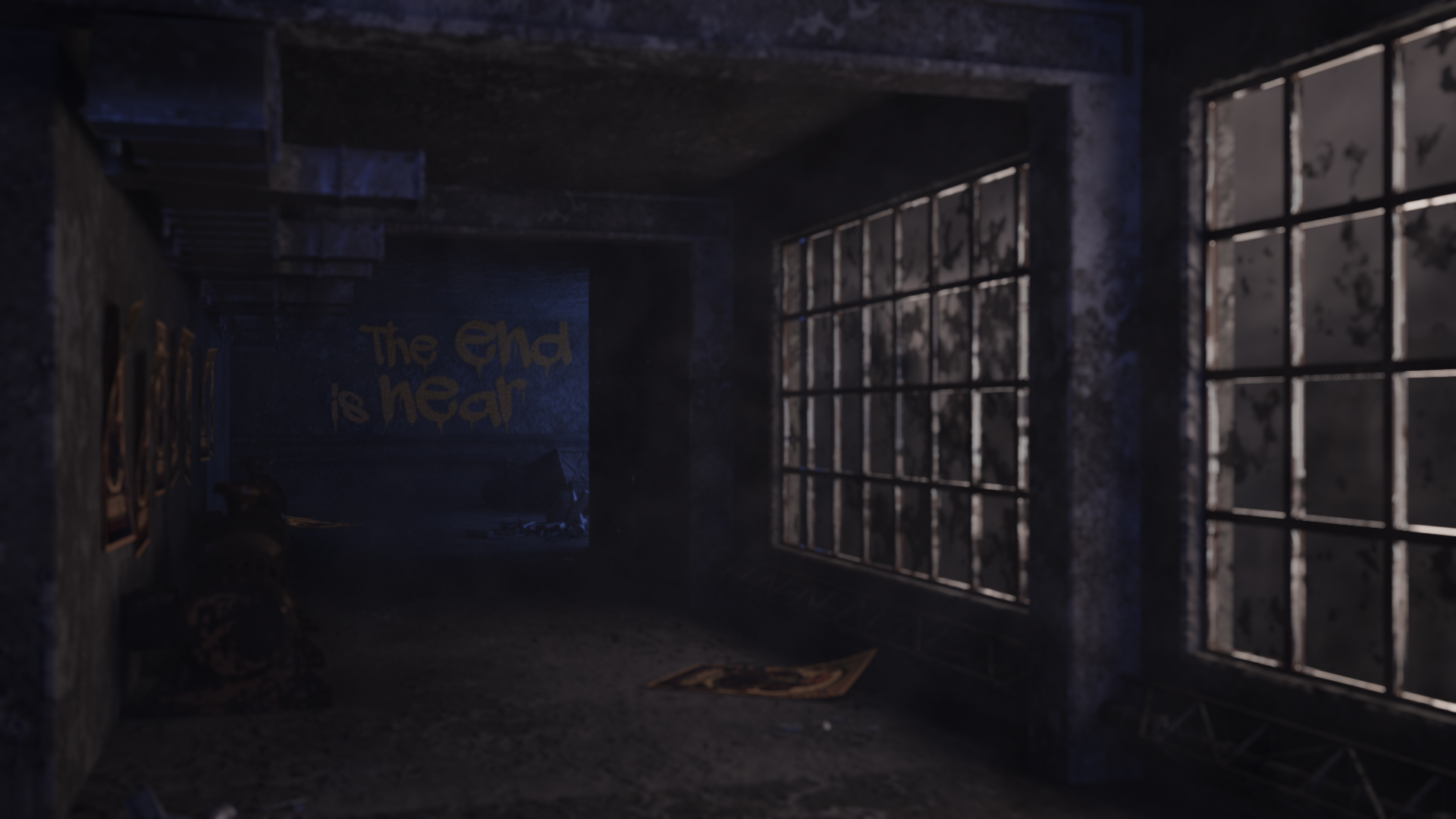
To create a believable camera move, I needed to reconstruct a wider environment around the characters, then match the original perspective, lighting and texture closely enough that the final animated frame could align with the poster.
Execution
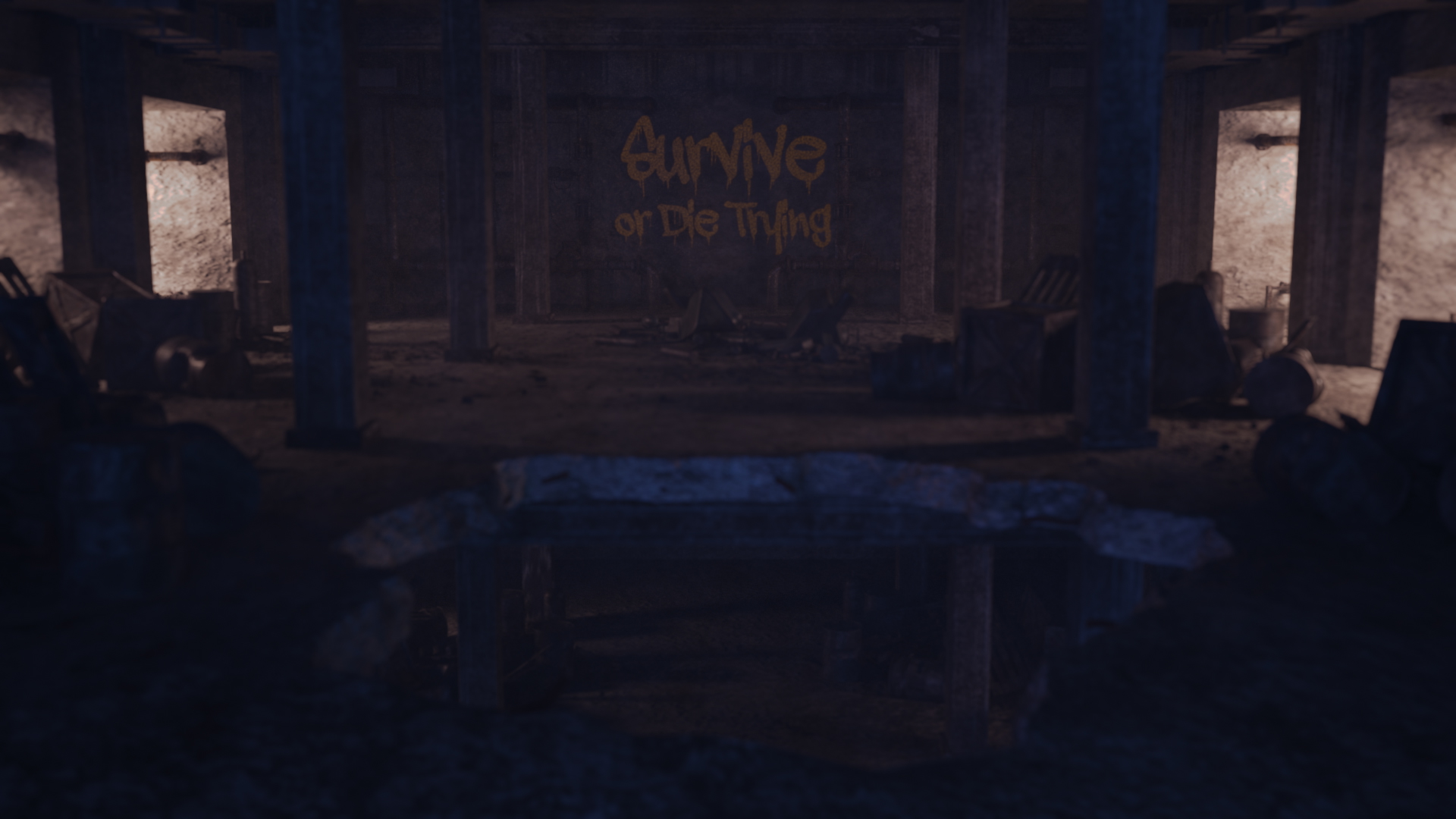
I built out the world in 3D using distressed walls, pipes, crates, metal surfaces, warning elements and atmospheric detail, all designed to support the visual language already present in the key art.
The camera begins away from the final composition and gradually reveals the environment, with cinematic lighting and subtle atmosphere adding depth. The move then settles into the exact key-art framing, where the 3D scene and original artwork align.
The creative decision was to use motion to reveal context rather than simply animate the existing pixels.
Stills & Styleframes
Results
The piece became a favourite within the design team and helped inspire further internal motion challenges. It also prompted interest from marketing as a possible format for turning static campaign artwork into short promotional teasers.
For me, the useful result was proving that an existing still can be extended into a small world without losing what made the original image work.
Personal Reflection
I like this kind of constraint because it forces the animation to respect the design rather than replace it.
The satisfying moment was not the biggest camera move or the nicest light. It was the final frame clicking into place and making the whole thing feel inevitable.