NRJ DAB Radio
Making a burger grow on a plant, because normal radio advertising was apparently too easy
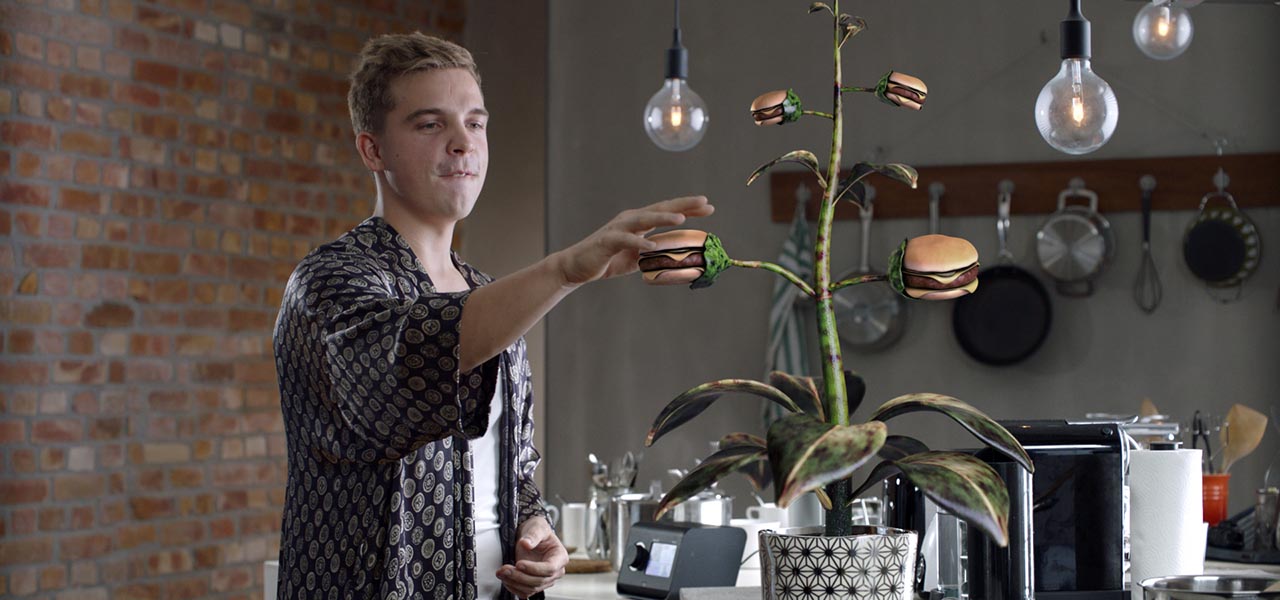
A surreal 3D spot for NRJ Radio's DAB campaign built around a very simple visual joke: a houseplant that grows burgers. I handled the 3D modelling, texturing, animation, lighting and compositing, with the main creative challenge being to make something completely ridiculous feel just believable enough to live inside a real kitchen.
Brief
NRJ wanted DAB advertising that would be memorable without relying on long explanations or standard radio imagery.
The campaign direction used strange everyday situations as visual hooks. My spot centred on a burger plant, taking an impossible idea and treating it with enough realism that the joke could land without needing to explain itself.
The Challenge
The plant needed to feel biologically plausible in its own fictional universe. Burgers could not simply pop into existence; the growth had to have rhythm, weight and some connection to how a real plant develops.
The CG also had to sit convincingly inside live-action footage. Camera movement, shadows, reflections and kitchen lighting all needed to match closely enough that the surreal idea felt grounded.
Execution
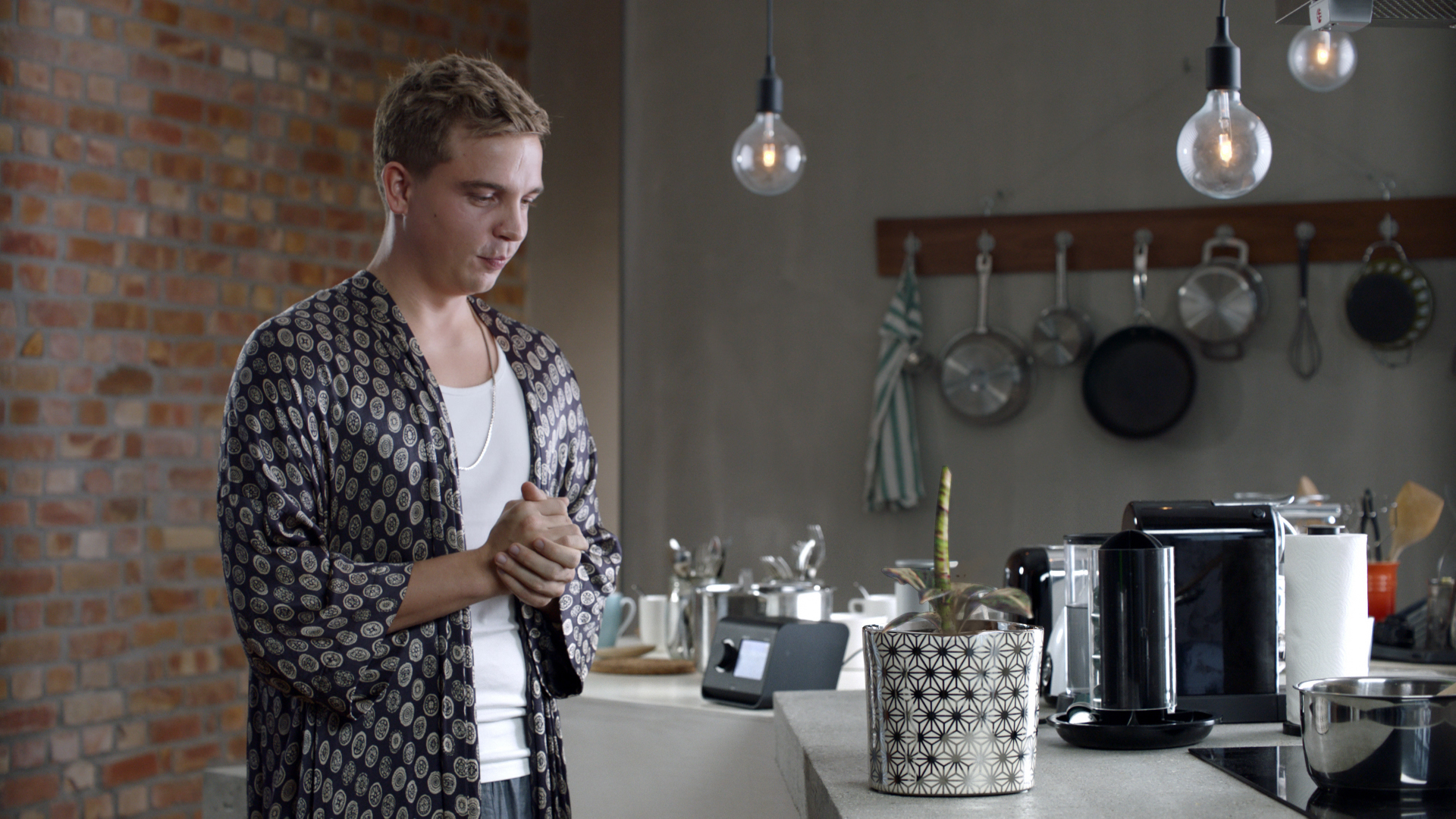
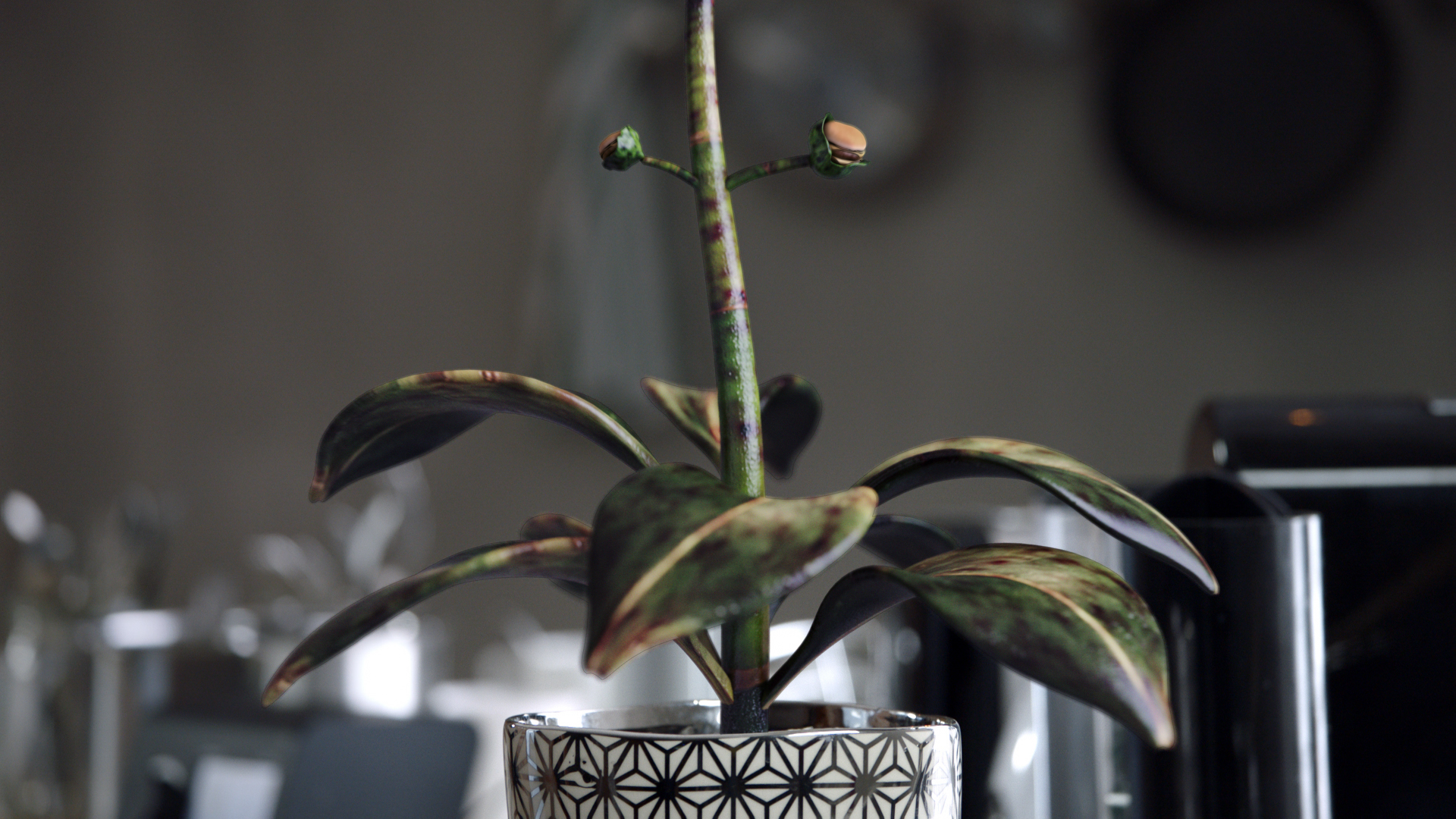
I designed and modelled the plant and burger elements, then built the growth in stages: seed, roots, stems, branches and finally burger 'fruit'.
The animation was deliberately organic rather than mechanical, with timing and deformation tuned to keep the reveal playful. Materials balanced stylisation with appetising realism, because a technically accurate but disgusting burger would have defeated the point.
After rendering, I tracked and composited the CG into the live-action plate, matching perspective, shadows and reflections to make the plant feel as though it had always been sitting there causing problems.
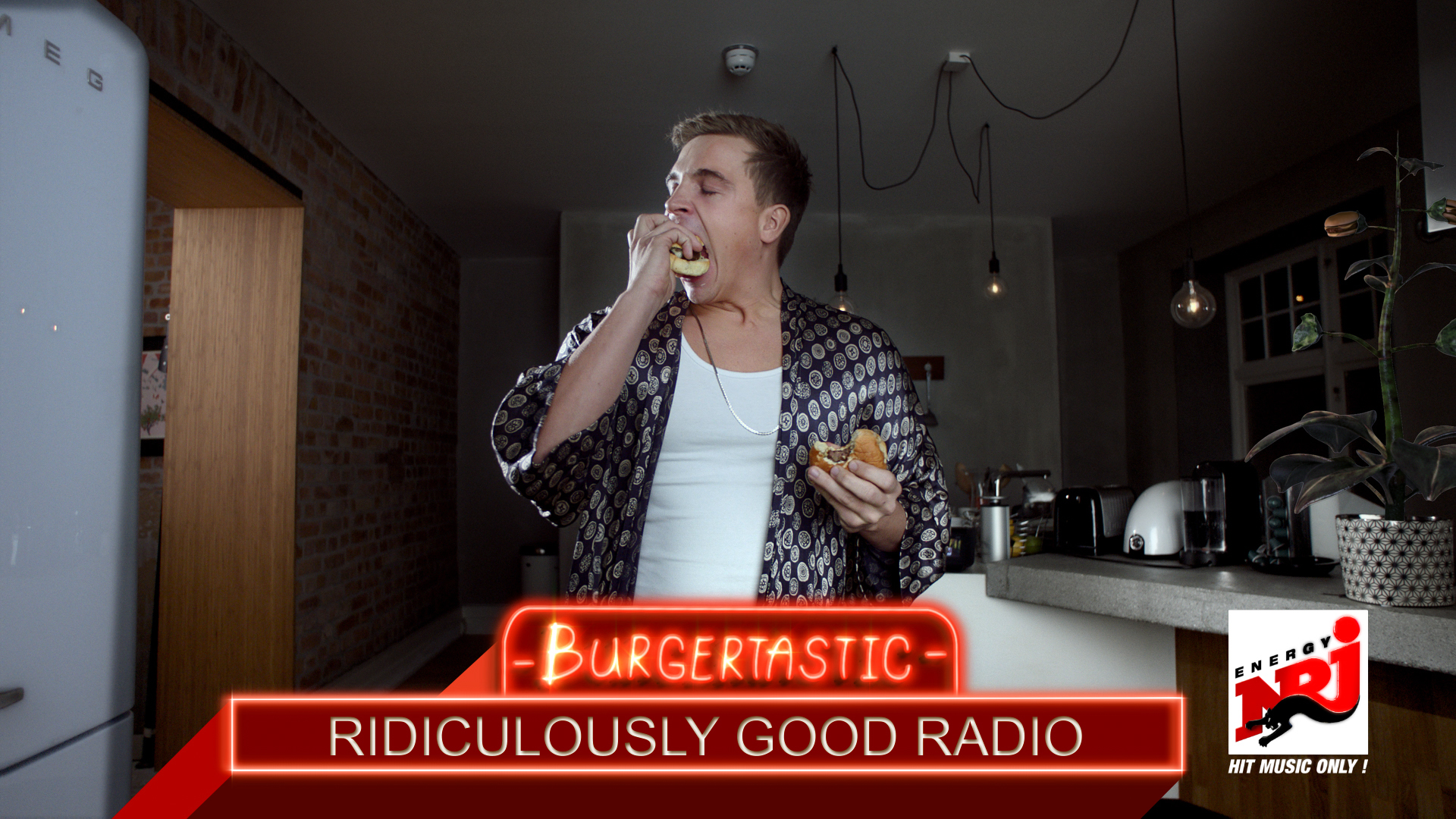
Stills & Styleframes
Results
The final advert delivered the strange, immediate visual hook the campaign needed. The burger plant became the memorable centre of the spot, combining a silly concept with enough craft that viewers could enjoy the absurdity rather than question the compositing.
It was a good example of using 3D not simply to make something impressive, but to make an idea possible.
Personal Reflection
This is exactly the kind of job I enjoy: start with something stupid in the best possible way, then take the execution completely seriously.
Making an impossible object believable is often more fun than making a believable object perfect.