Retro Stuff from the Eastern Bloc
Rebuilding the ordinary objects that somehow became memories
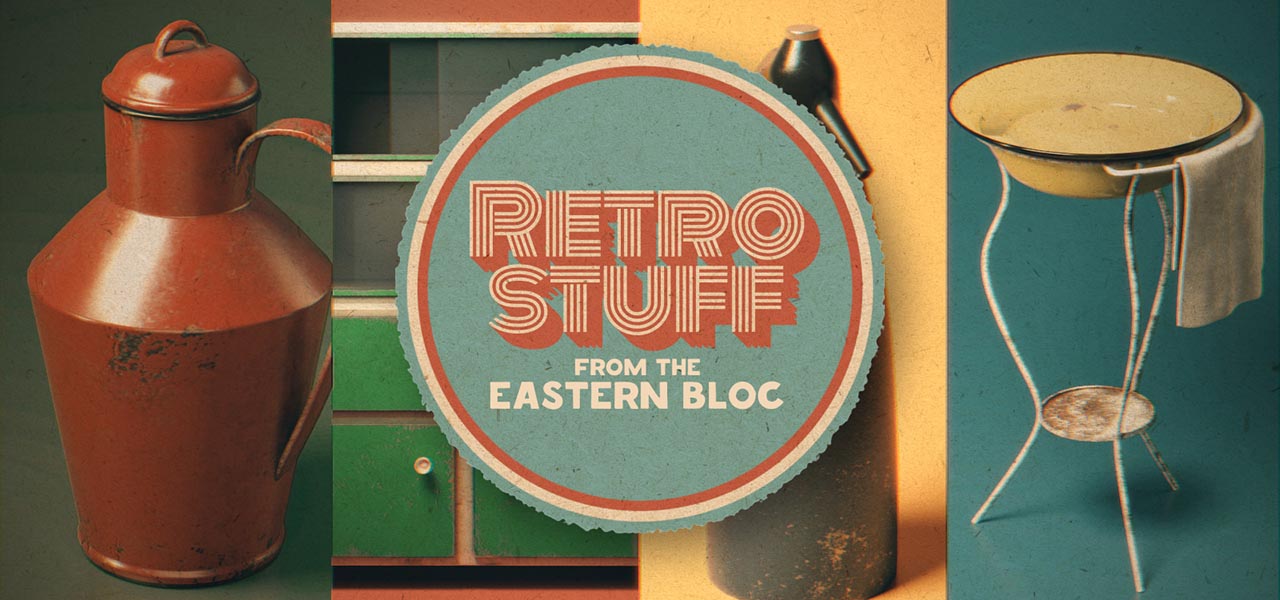
A personal 3D series recreating everyday objects from communist-era Eastern European homes. The project is less about making 'retro props' and more about capturing why completely ordinary things can carry so much memory, using modelling, worn materials and deliberately nostalgic art direction to turn familiar household objects into small visual stories.
Brief
I grew up around objects that were rarely considered beautiful at the time: enamel cookware, radios, heaters, strange furniture and mass-produced things with awkward proportions and very specific colours.
Years later, many of them had become instantly recognisable pieces of shared memory. I wanted to recreate that feeling in 3D without polishing away the dents, scratches and oddness that made the originals memorable.

The Challenge
The challenge was emotional accuracy as much as visual accuracy.
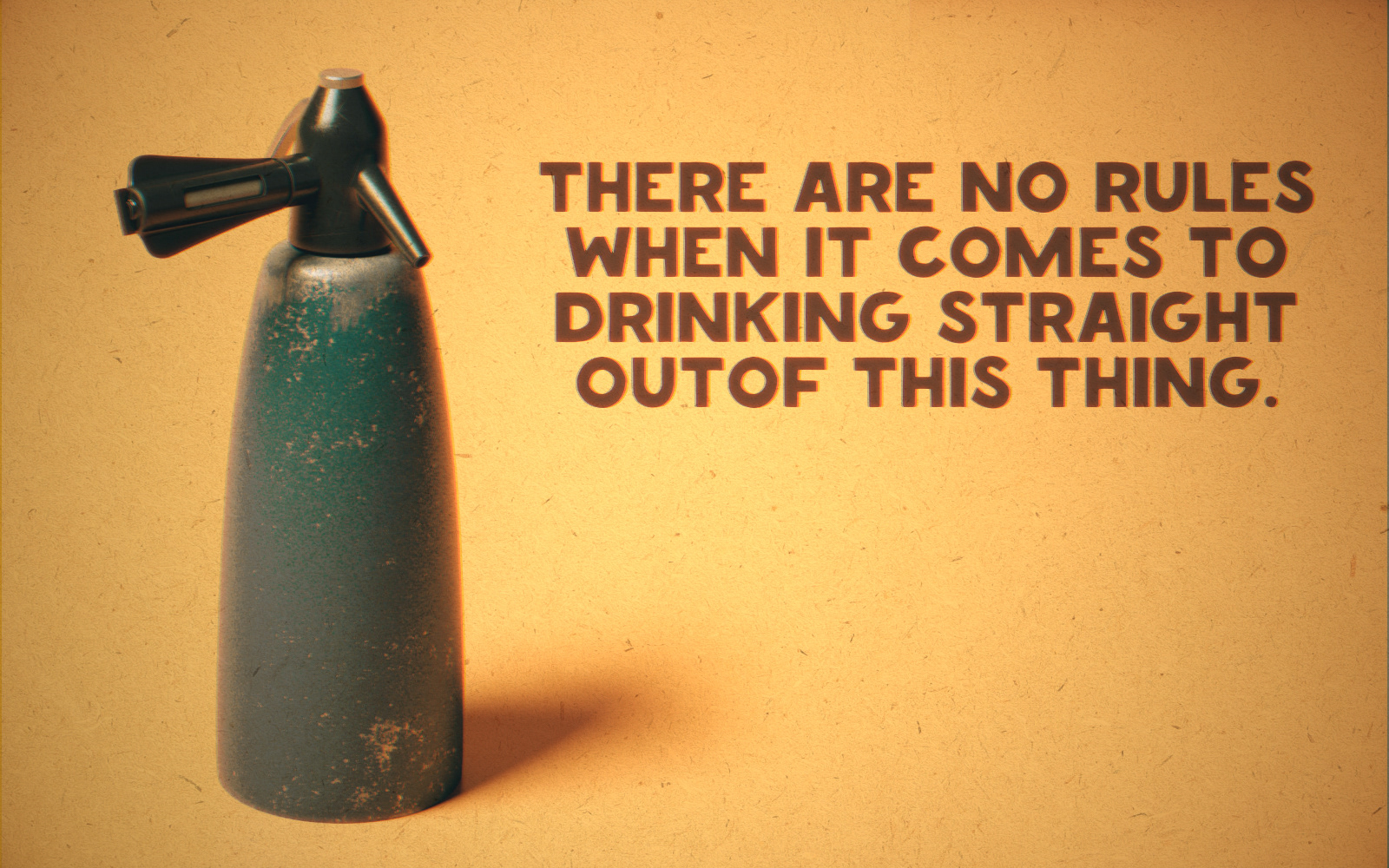
A perfectly clean model would feel wrong, but excessive dirt and damage would turn the objects into caricatures. The renders needed enough wear to feel lived-in, and the final presentation needed to evoke old product photography and printed material without becoming a generic 'vintage filter' exercise.
Execution
I modelled each object from whatever references I could find: old photographs, online images, family memories and the occasional 'ours definitely looked more beige than that' conversation.
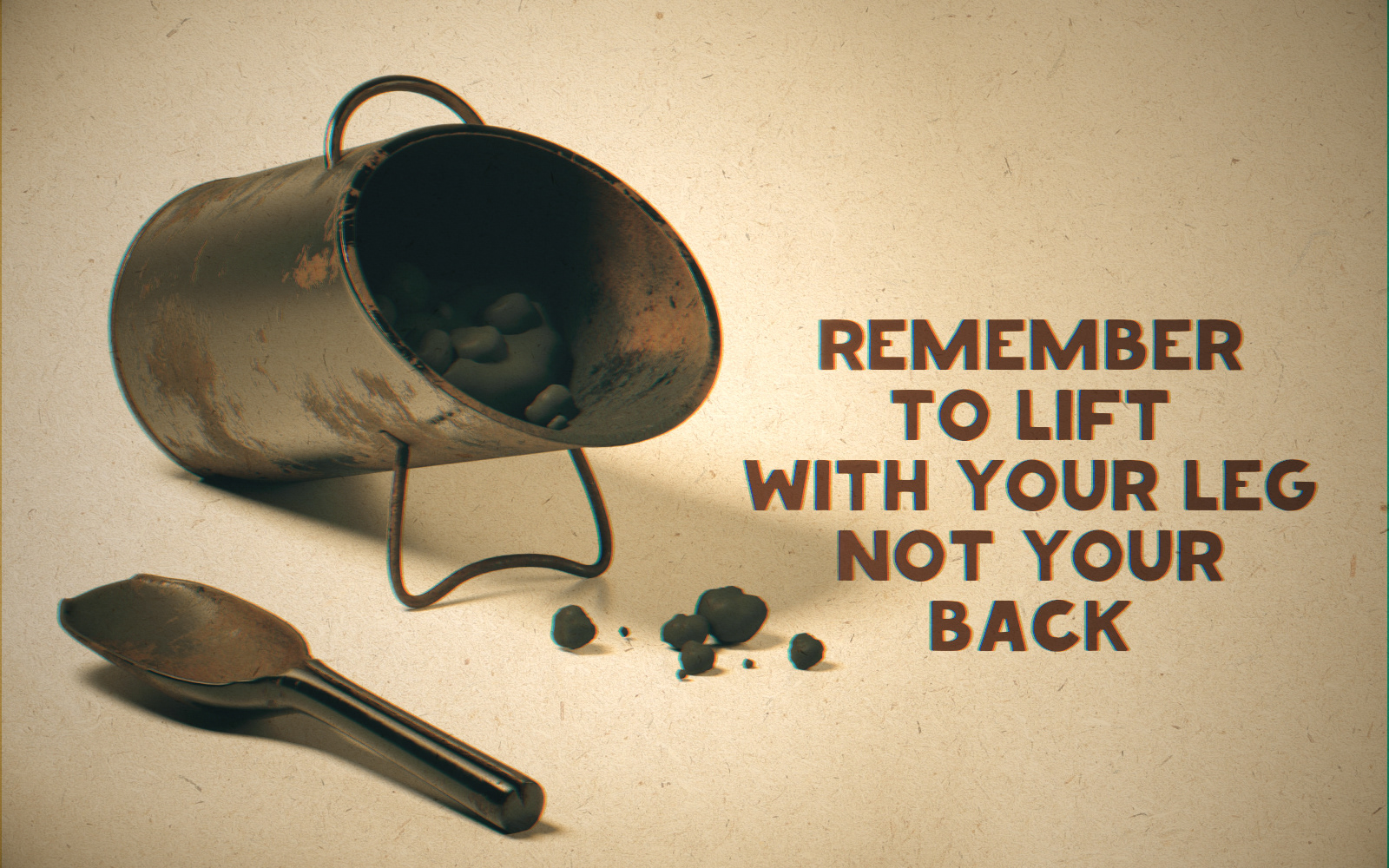
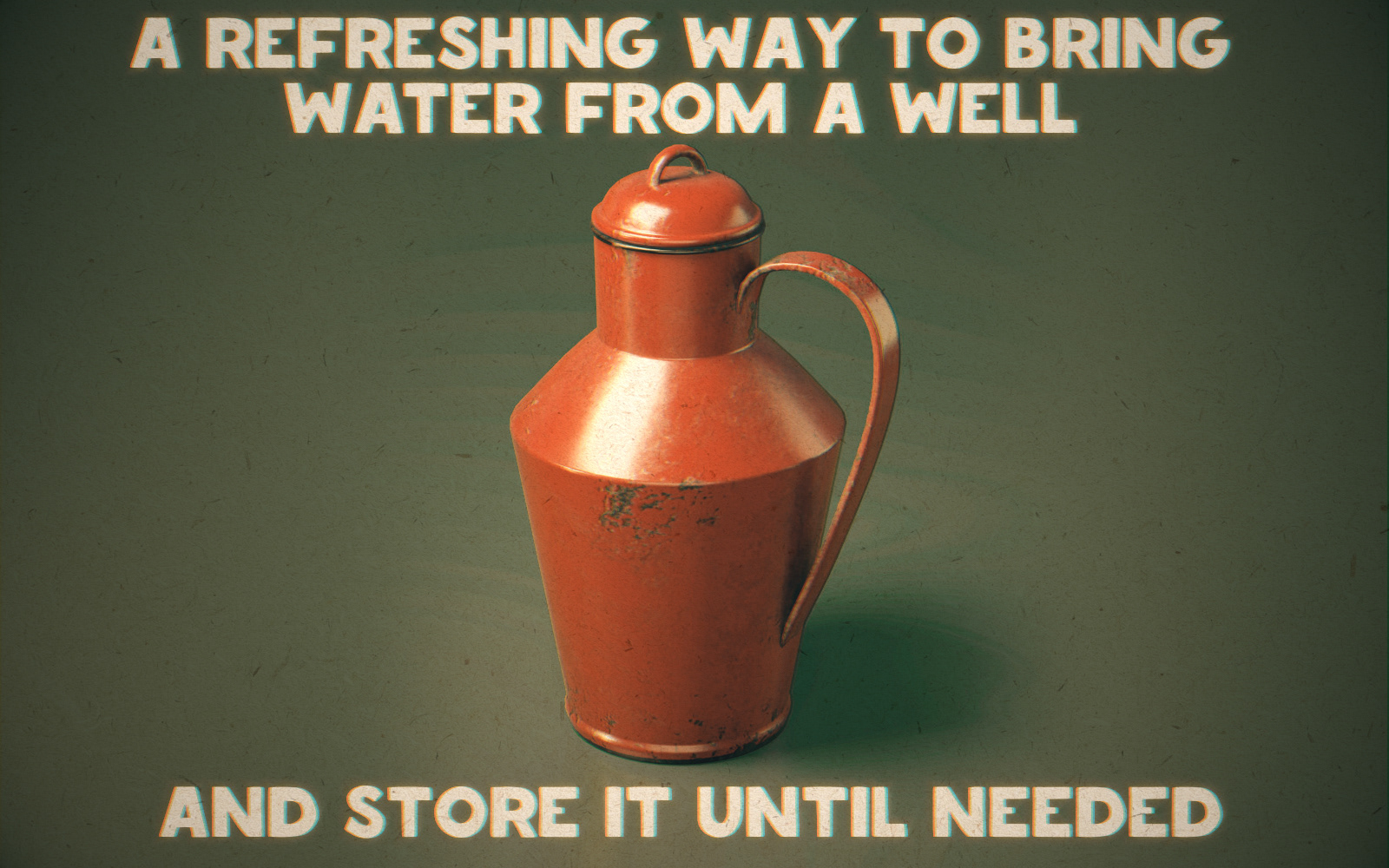
Materials deliberately included chipped enamel, faded paint, scratches, rust and uneven surfaces. I kept some of the slightly awkward manufacturing proportions rather than correcting them.
The final renders were art-directed like forgotten catalogue images or product posters, combining 3D realism with a printed, slightly aged photographic treatment.
Stills & Styleframes
Results
The series quickly became more social than I expected. People recognised objects, named the versions their families owned and shared stories attached to them.
That changed the project from a modelling exercise into a small visual archive. The objects mattered less because of their design value and more because people had lived with them.
Personal Reflection
This project reminded me that design does not always have to chase the future.
Sometimes recreating an ugly little object accurately enough makes somebody remember their grandmother's kitchen, and that is more interesting than another perfectly polished concept render. I plan to keep adding to the series whenever another forgotten object deserves resurrection.