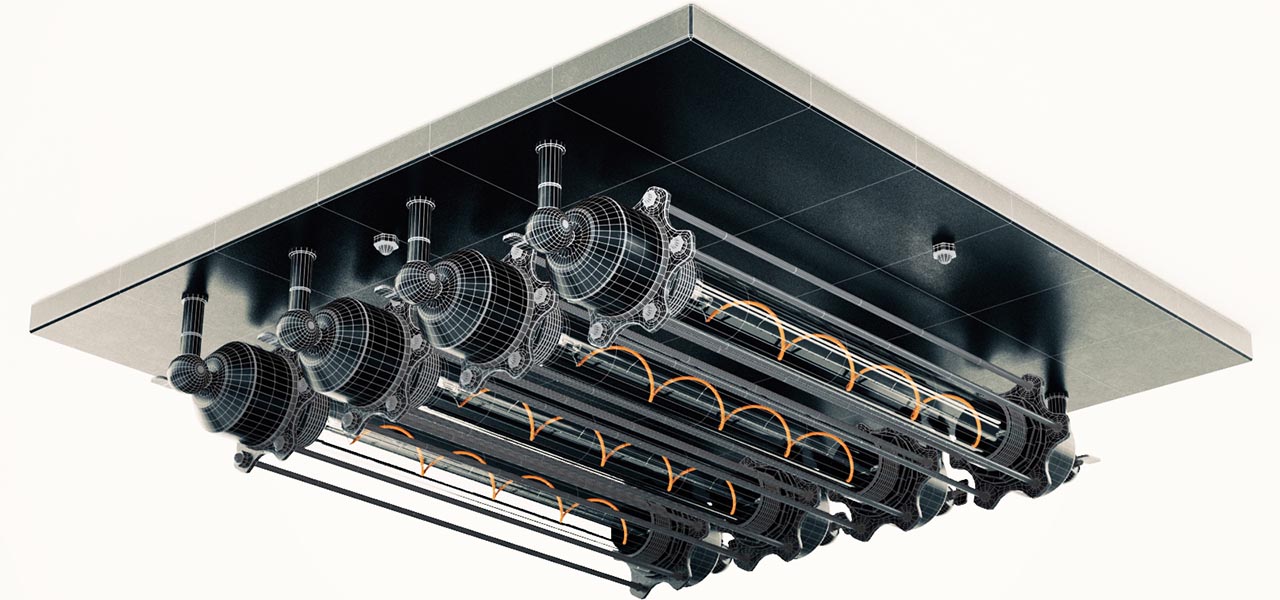
Industrial Steampunk Lamp
A product study in metal, glass, light and unnecessary levels of detail
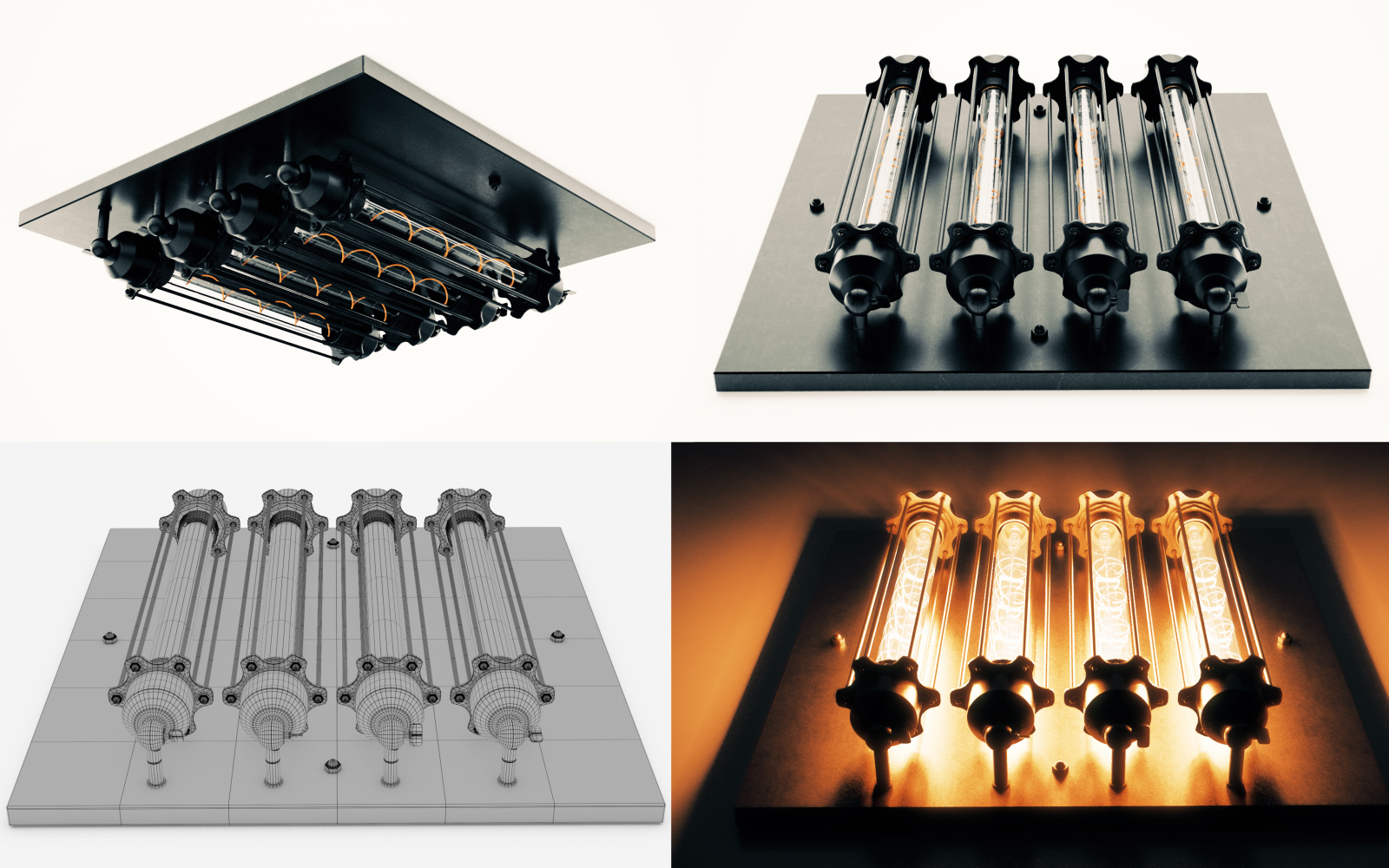
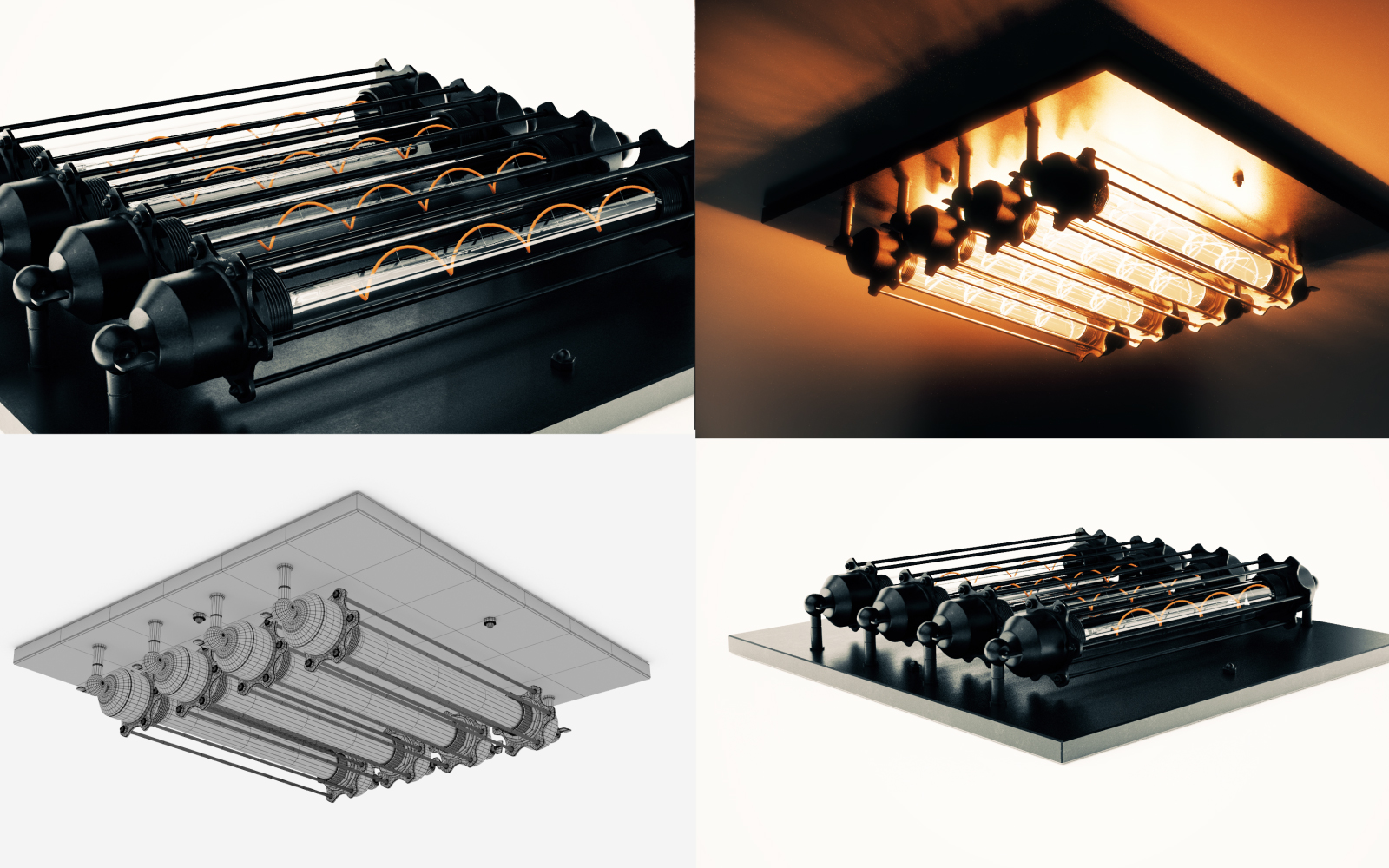
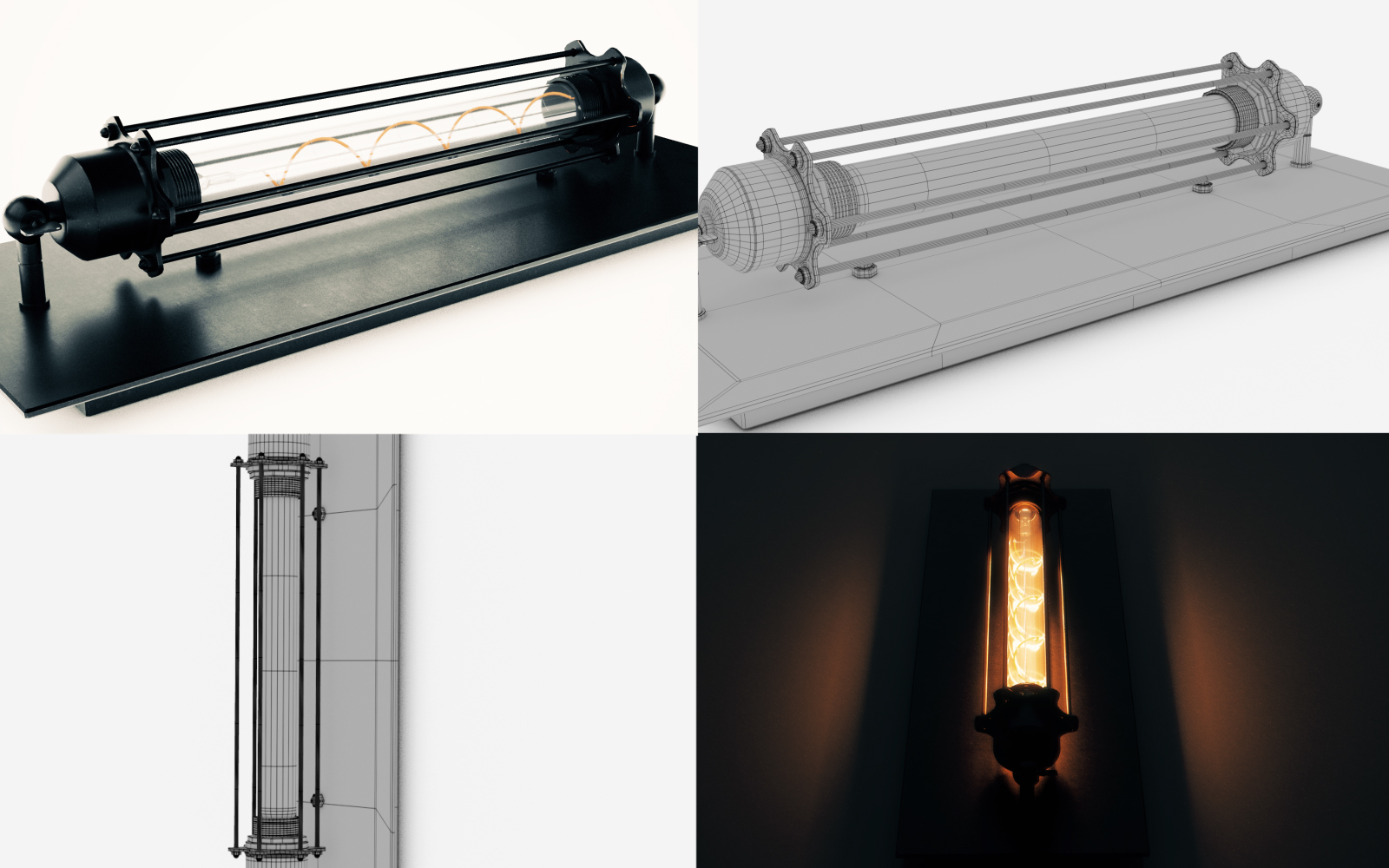
A personal 3D study based on a real industrial ceiling lamp, recreated from scratch to push material realism, lighting and product visualisation. What began as 'that lamp looks great' became a detailed digital model, a set of studio-quality renders and eventually a marketplace-ready asset.
Brief
There was no client brief, which was part of the appeal. I found an industrial lamp with a combination of aged metal, ribbed glass and exposed filament that looked like an ideal material and lighting exercise.
The goal was simple: recreate it convincingly enough that the final image could pass as a product photograph, while keeping the model clean enough to be useful beyond a single render.
The Challenge
Industrial objects are unforgiving. Straight edges, repeated components and familiar materials make small inaccuracies very obvious.
The real challenge was not adding detail, but choosing the right detail: believable metal wear, glass thickness, subtle surface variation and warm filament light without turning the object into an over-weathered game prop.
Execution
I modelled the lamp component by component, paying attention to construction logic so bolts, housings, cylinders and fittings made physical sense.
Materials were built with restrained imperfections: micro-scratches, brushed metal variation, grime in plausible areas and slightly imperfect glass. I tested several HDRI and studio-light setups, then tuned reflections and filament glow until the object felt photographed rather than simply illuminated.
Finally I cleaned the topology, organised materials and prepared the asset for marketplace use, including formats intended for other 3D workflows.
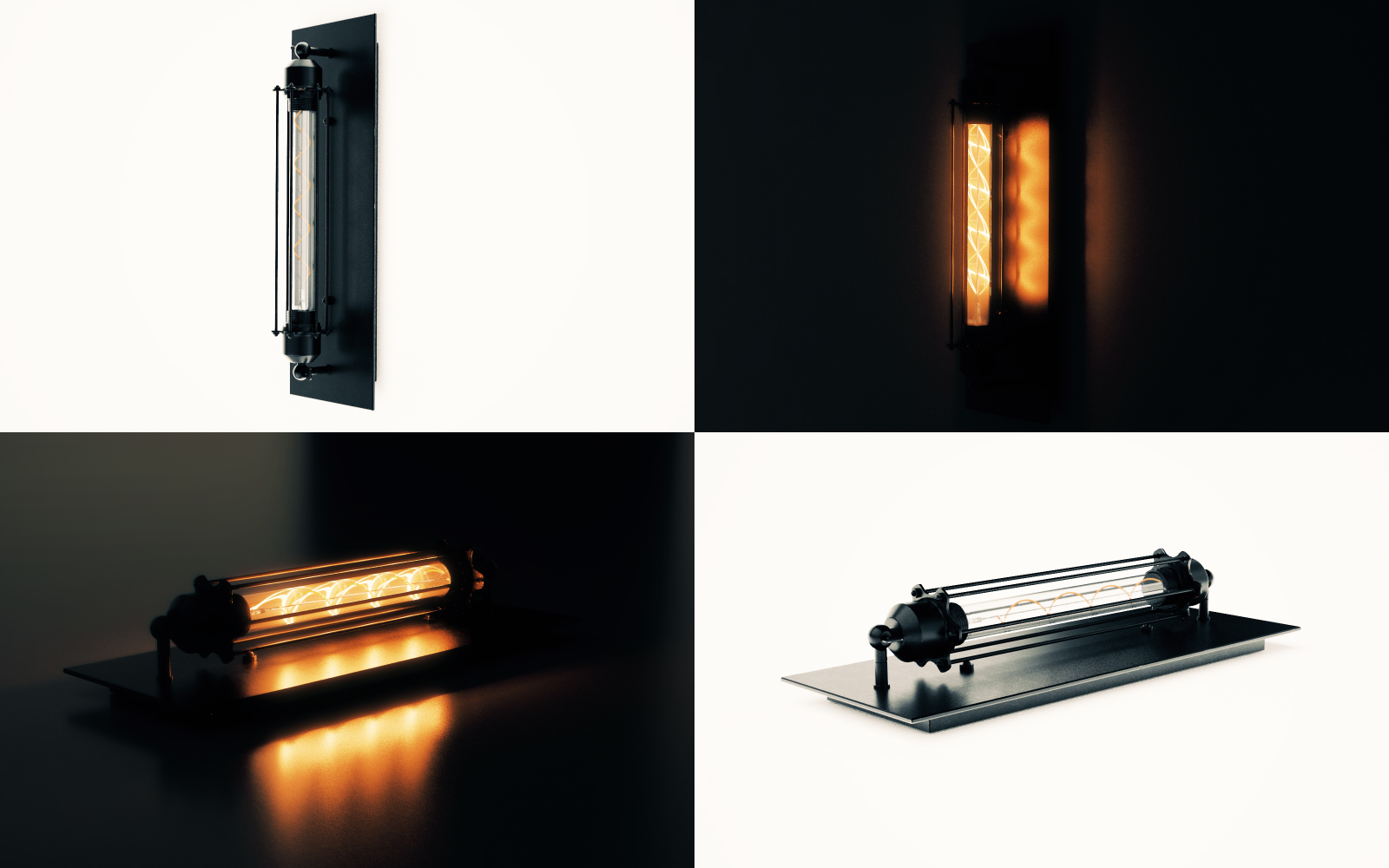
Stills & Styleframes
Results
The final renders reached the level of realism I was aiming for and the model was packaged for commercial use on TurboSquid.
More importantly for me, it became a strong demonstration of product modelling, material judgement and lighting, where the image works because of dozens of quiet decisions rather than one obvious visual trick.
Personal Reflection
I enjoy projects where nobody is waiting for an answer and I can spend an unreasonable amount of time asking whether a scratch is two millimetres too large.
This one reminded me that realism is mostly restraint. If I revisit it, I would add motion and atmosphere: filament flicker, floating dust and a proper cinematic reveal.