Matcha Ninja
Turning a thousand-product-image problem into a repeatable system
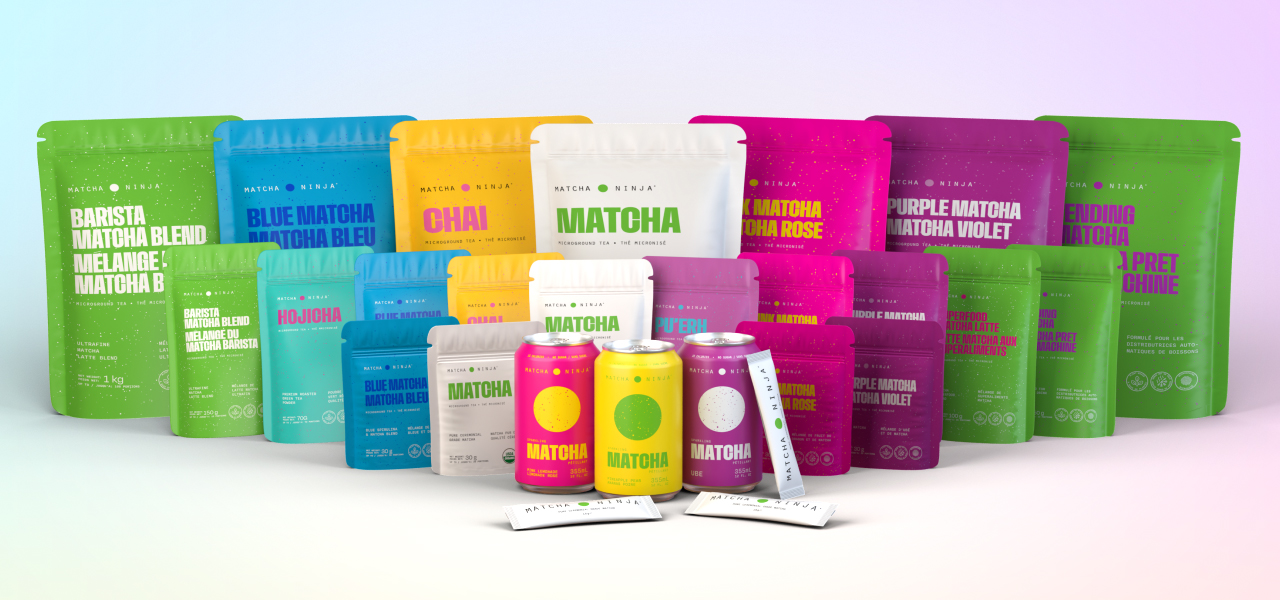
Matcha Ninja needed close to a thousand consistent product visuals across package sizes, flavours, markets, backgrounds and promotional setups. Rather than treating it as a thousand-image job, I treated it as a production-system problem: build the creative setup once, automate the repetition, and keep enough control for every output to still look intentional.
Brief
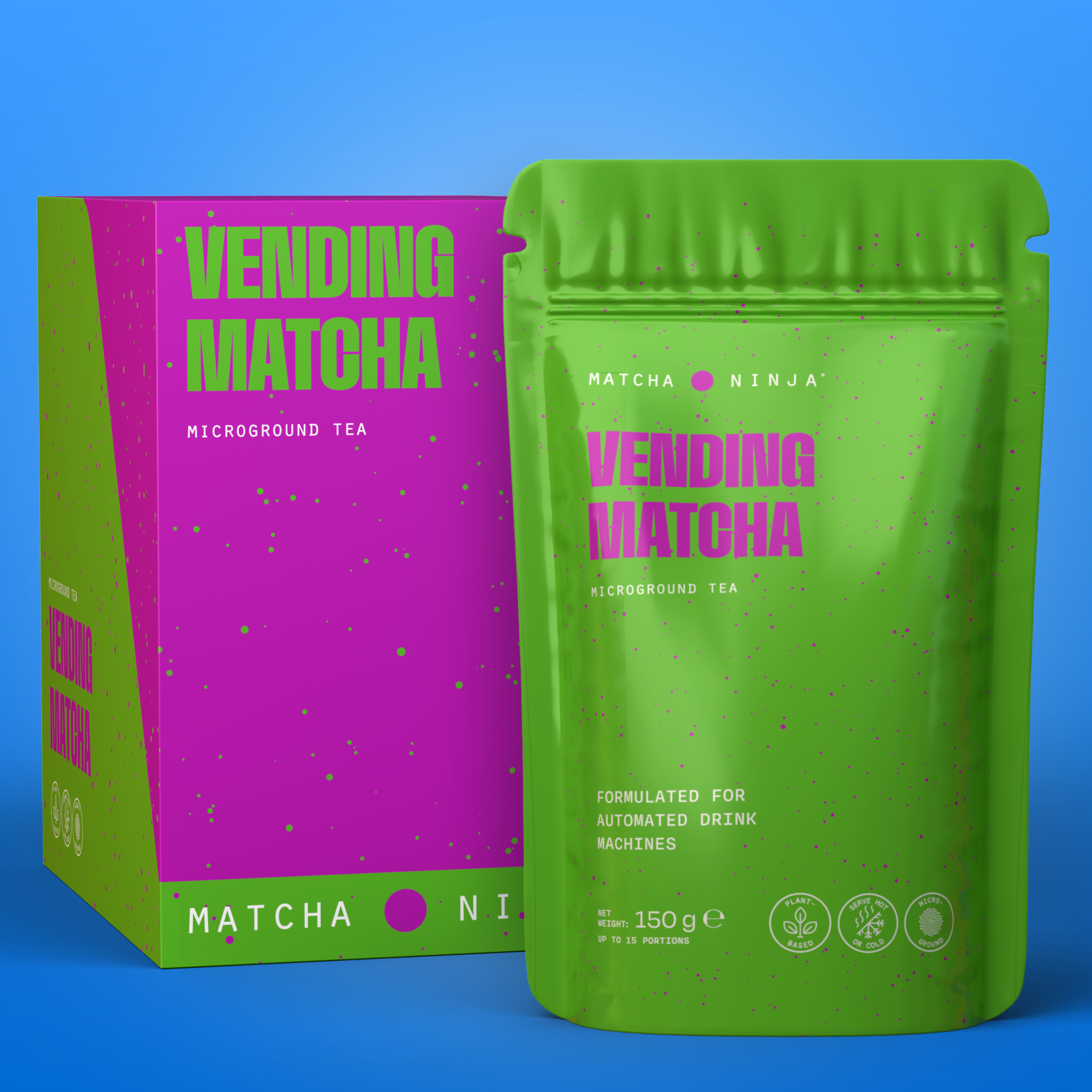
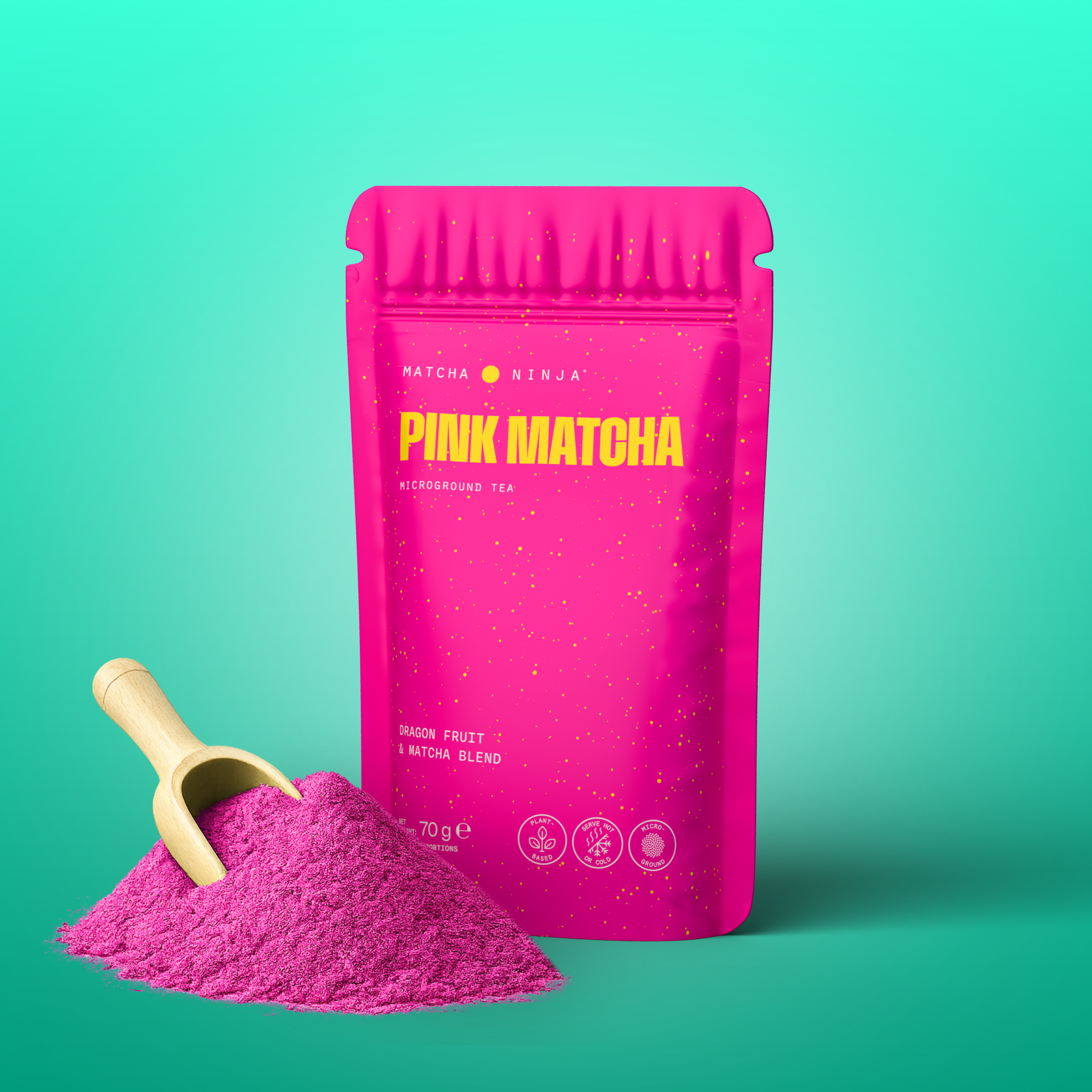
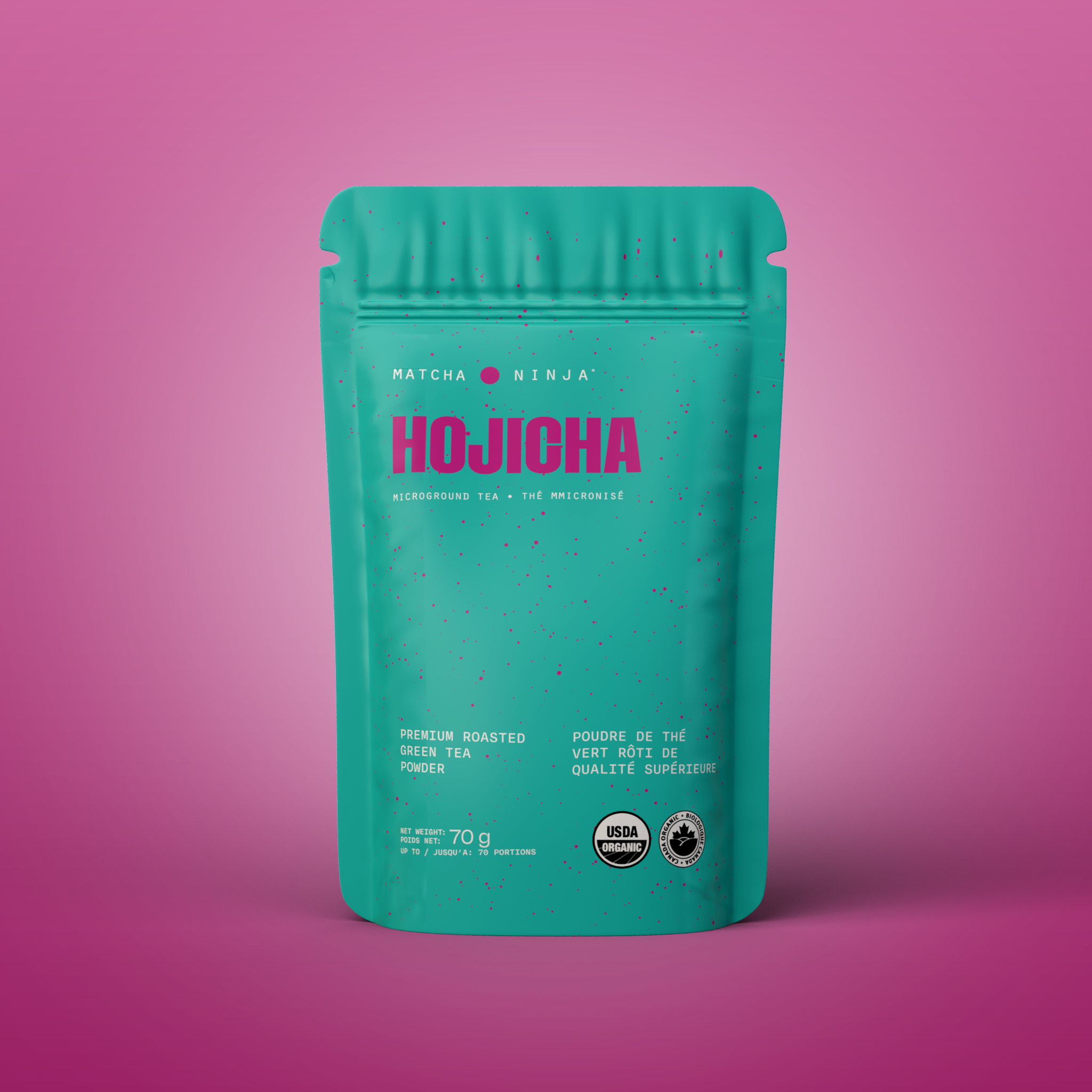
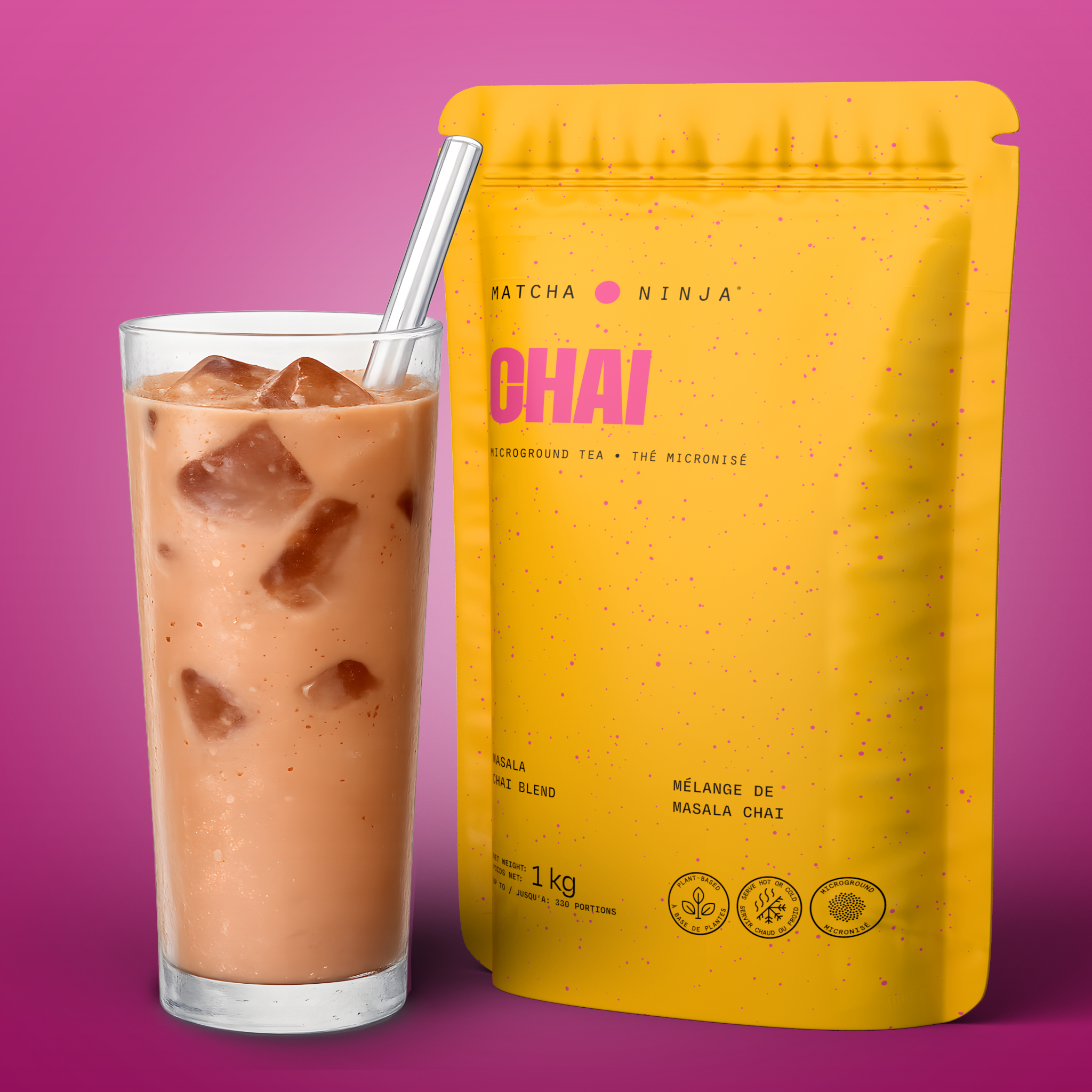
The product range included multiple pouch and case sizes, flavour profiles and two market versions with different packaging artwork and disclaimers. Each product needed several camera angles, front and back views, with and without cases, multiple background treatments, and promotional setups with prepared drinks or powder.
The deliverables also had to follow a strict naming convention and arrive in a useful folder structure. Simply rendering and exporting everything one by one would have turned the admin into a project of its own.
Challenge
The individual images were not unusually complicated. The multiplication was.
A small set of base products quickly expanded across flavour, size, market, camera, packaging, background and promotional states. Manual production would have meant hundreds of repetitive decisions, exports and filenames, with plenty of opportunities for inconsistency.
The goal was to preserve visual quality while making variation cheap, predictable and easy to regenerate when something changed.
Execution
I designed the pipeline from the 3D stage onward with repetition in mind. In Maya, shared models, lighting, predefined cameras and render layers handled market-specific textures and product variants so large batches could be rendered consistently in a single session.
In After Effects I built a master composition with flavour-driven background logic and a dropdown for white, gradient and transparent states. Product setups were designed once, then reused.
I wrote scripts to duplicate compositions, replace product sources, cycle through required states, render the correct frames, generate filenames from project metadata and automatically sort the finished files into the correct folders.
The important part was not automation for its own sake. Every automated choice came from a design decision made earlier, so the system scaled the approved look rather than inventing one.
Stills & Styleframes

Results
The finished pipeline produced and organised the full product library with consistent lighting, composition, colour logic and naming across a very large number of deliverables.
Work that would normally involve weeks of manual duplication, exporting and file administration became a repeatable process that could be rerun when products or materials changed. That became especially useful later: one material adjustment could flow through the pipeline without hunting through hundreds of individual files.
Personal View
This project is probably the clearest example of how my engineering brain occasionally sneaks into design work.
Once repetition reaches this scale, clicking faster is not the solution. Building a better structure is. The satisfying part was that the system did not make the work less creative; it removed the boring parts so the creative decisions only had to be solved properly once.